
Ledger® Live Desktop |Your Wallet®
Discover Ledger Live Desktop for practical hardware wallet management, providing tools to organize accounts, monitor supported assets, connect devices, install applications, and review transactions with confidence.
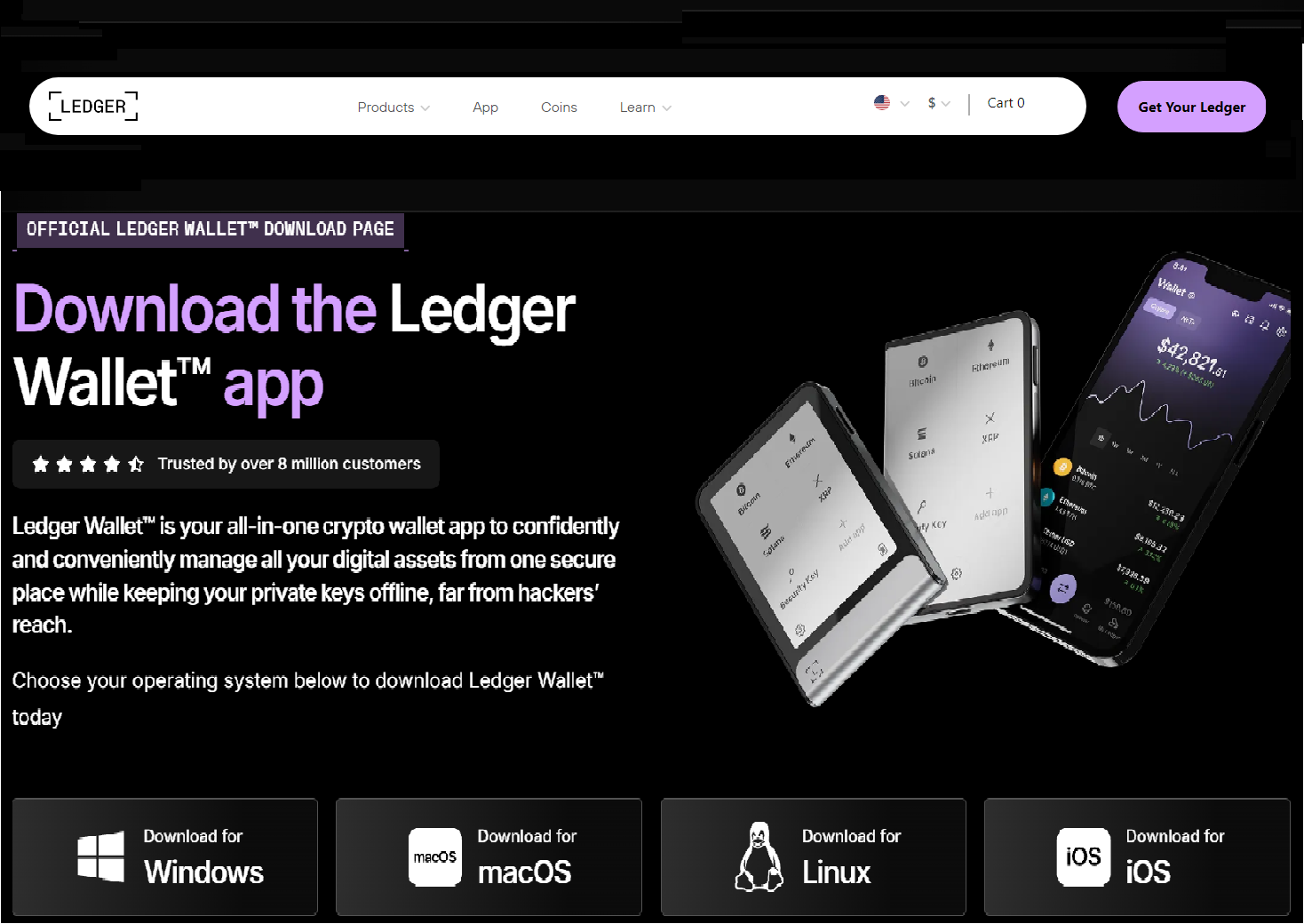
Ledger Live Desktop: Complete Guide to Secure Crypto Management
Managing cryptocurrency from a computer becomes much easier when your wallet tools are organized in one place. Ledger Live Desktop provides a desktop environment for users who want to connect a compatible Ledger hardware wallet, review their accounts, monitor assets, and manage supported crypto activities from a larger screen.
For people who are new to hardware wallets, understanding how the desktop application works can make the setup process more comfortable. Instead of treating the wallet application as a complicated technical tool, it helps to think of it as a management interface that works together with the physical Ledger device.
What Is Ledger Live Desktop?
Ledger Live Desktop refers to the desktop experience associated with Ledger’s wallet management software. Ledger currently presents Ledger Wallet as the application formerly known as Ledger Live, although “Ledger Live” remains a widely used term for the platform.
The desktop application is designed to work alongside compatible Ledger hardware wallets. The computer provides the interface for viewing accounts and initiating actions, while important approvals can be confirmed directly on the physical device.
Why Use a Desktop Wallet Interface?
A desktop environment can be particularly useful for people who regularly monitor cryptocurrency accounts. A larger display makes it easier to review balances, account information, transaction details, and application settings.
Ledger Live Desktop can also provide a more convenient workspace for users managing several supported assets. Instead of relying entirely on a small mobile screen, users can organize their wallet activity through a dedicated computer interface.
Getting Started With Ledger Live Desktop
Before beginning, make sure you have a compatible Ledger hardware wallet, its required accessories, and a trusted computer. Download wallet software only from Ledger’s official resources and avoid applications promoted through suspicious advertisements, unsolicited messages, or unknown websites.
After installing the desktop application, open it and follow the available setup instructions. Connect your Ledger device when requested and allow the application to recognize the hardware wallet.
Creating a Secure Device Setup
A Ledger hardware wallet is designed to keep private keys protected within the device. During initial configuration, users generally create a device PIN and receive a recovery phrase.
The recovery phrase is extremely important because it can be used to restore access to the wallet. It should be written down carefully and stored somewhere private and secure. Never enter a recovery phrase into an unfamiliar website, online form, email, or message.
Your recovery phrase should never be photographed or stored casually in cloud storage. Anyone who obtains it may potentially gain control over the associated wallet assets.
Managing Accounts on Desktop
Once the hardware wallet is connected, Ledger Live Desktop can be used to add and manage supported cryptocurrency accounts. Depending on the asset, the application may require the installation of an appropriate blockchain application on the Ledger device.
After an account has been added, users can review relevant information through the desktop interface. This can make it easier to keep track of multiple assets without constantly switching between different services.
Receiving Cryptocurrency
Receiving crypto involves generating an appropriate receiving address and checking that the information is correct. A good security habit is to verify important address information on the Ledger hardware wallet itself rather than trusting only what appears on the computer screen.
After confirming the address, it can be provided to the sender. Always double-check the network and asset before transferring funds because sending cryptocurrency through an incompatible network can create serious problems.
Sending Crypto Safely
When sending cryptocurrency, enter the recipient information carefully and review the transaction before confirming it. The Ledger device provides an additional verification point because transaction details can be reviewed on the hardware wallet before approval.
Take your time during this step. Cryptocurrency transactions are generally irreversible, so checking the destination address, amount, and network before signing is an important part of responsible wallet management.
Keeping the Application Updated
Software updates can introduce improvements, compatibility changes, and security-related fixes. Keeping both the desktop application and compatible device software up to date can help provide a smoother experience.
However, users should always obtain updates through trusted Ledger channels. Avoid clicking update links received through unexpected emails, social-media messages, or pop-up advertisements.
Avoiding Common Security Mistakes
Many wallet problems begin with social engineering rather than a failure of the hardware itself. Fake support accounts, phishing websites, fraudulent applications, and messages requesting recovery phrases are common warning signs.
A legitimate support representative should never need your secret recovery phrase. Treat anyone asking for it as suspicious.
It is also important to remember that a genuine-looking website is not automatically trustworthy. Check the domain carefully before entering any sensitive information.
Making Ledger Live Desktop Part of a Secure Routine
The safest approach is to combine the desktop application with good personal security habits. Use a trusted computer, keep your recovery phrase offline, verify transactions on the hardware wallet, and avoid sharing confidential wallet information.
Ledger Live Desktop can make crypto management more convenient, but security ultimately depends on how carefully the user handles the device, recovery information, and transactions.
Conclusion
Ledger Live Desktop offers a practical desktop environment for managing supported cryptocurrency accounts with a compatible Ledger hardware wallet. Its larger interface can simplify account monitoring, receiving and sending assets, application management, and everyday wallet organization.
For beginners, the most important lesson is to focus on security from the beginning. Download software from trusted sources, protect the recovery phrase, verify transactions on the physical device, and remain cautious of phishing attempts. With these habits in place, users can approach desktop-based crypto management with greater confidence and control.
Updated about 4 hours ago