
Getting™ Started | Ledger® Live: Desktop® | Ledger Wallet™
Discover Ledger Live Desktop for simplified wallet management, with features supporting account organization, portfolio monitoring, hardware connectivity, application installation, device updates, and transaction verification from one desktop application.
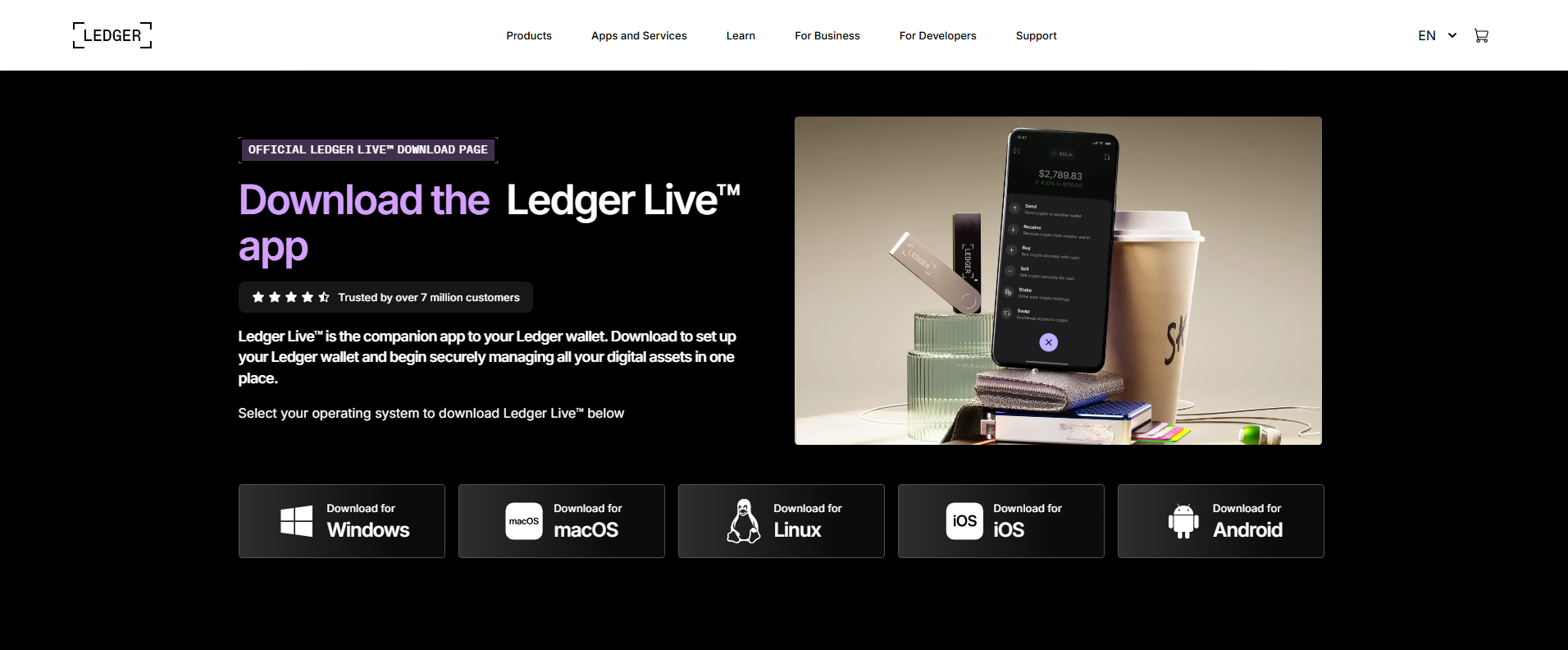
Ledger Live Desktop: A Simple Guide to Managing Your Crypto Wallet
Cryptocurrency management can become difficult when you have multiple accounts, digital assets, and transactions to keep track of. A desktop wallet management application can make these tasks easier by bringing important account information and wallet functions into one convenient interface. Ledger Live Desktop is designed for users who want to manage supported crypto assets alongside a compatible Ledger hardware wallet.
For beginners, the most important thing to understand is that the desktop application and hardware wallet serve different purposes. The application provides the management interface, while the hardware wallet adds a physical security layer for protecting private keys and approving important actions.
Understanding Ledger Live Desktop
Ledger Live Desktop is the desktop version of Ledger’s wallet management experience. Ledger now presents Ledger Wallet as the application formerly known as Ledger Live, while Ledger Live remains a familiar term used by many existing users.
The software can help users view supported accounts, monitor balances, manage blockchain applications, and initiate cryptocurrency transactions. When paired with compatible hardware, it provides a convenient way to manage digital assets without relying entirely on a browser-based wallet.
Preparing for Setup
Before installing the desktop application, prepare a compatible Ledger hardware wallet and a trusted computer. It is important to obtain wallet software from an official Ledger source rather than from advertisements, random download pages, or links received through messages.
A secure setup begins with the computer itself. Keep the operating system reasonably updated and avoid installing wallet software on a computer you do not trust.
Connecting Your Ledger Device
After installing the appropriate desktop wallet application, connect the Ledger hardware wallet according to the instructions displayed on screen. The application should guide you through the necessary setup and connection process.
Your hardware wallet may require a PIN before it can be used. Follow the device instructions carefully and avoid sharing your PIN or other security information with anyone.
Protecting the Recovery Phrase
One of the most important parts of hardware-wallet security is the recovery phrase. During initial device setup, a recovery phrase is provided for backup and recovery purposes.
Write the phrase down accurately and keep it in a secure offline location. Do not send it through email or messaging services, and never enter it into a website simply because someone claims to be providing technical support.
The recovery phrase should be treated as confidential information. Losing control of it can create a significant security risk.
Managing Crypto Accounts
After the hardware wallet has been configured, Ledger Live Desktop can help you add supported cryptocurrency accounts. Some assets may require a corresponding blockchain application to be installed on the hardware wallet.
Once accounts are available, the desktop interface can provide a convenient overview of supported assets and related activity. This is particularly useful for users who maintain several cryptocurrency accounts.
Checking Balances and Transactions
A desktop screen provides more room to review account information than a small mobile display. Users can check balances, review transaction activity, and organize their supported accounts from a single workspace.
Remember that displayed balances are based on blockchain information and market values can change rapidly. A wallet interface makes information easier to access, but it does not eliminate cryptocurrency market risk.
Receiving Digital Assets
When receiving cryptocurrency, generate the appropriate receiving address through the wallet application. Carefully confirm that the asset and network are correct.
For additional security, verify important address details on the connected Ledger hardware wallet before sharing the address. This helps reduce the risk of relying solely on information displayed by potentially compromised computer software.
Sending Cryptocurrency
Sending crypto requires additional attention because blockchain transactions are generally irreversible. Enter the destination address carefully and check the asset, network, and amount before proceeding.
When the transaction reaches the hardware wallet for approval, review the displayed information on the device. If anything looks incorrect, do not approve the transaction until the discrepancy has been resolved.
Keeping Your Wallet Secure
Good security habits are just as important as the wallet software itself. Avoid downloading unofficial applications, clicking suspicious wallet links, or responding to messages requesting confidential information.
Be especially cautious of fake support agents. Someone claiming to represent Ledger should not need your recovery phrase to diagnose a normal wallet problem.
It is also wise to bookmark trusted resources rather than repeatedly searching for wallet download pages. Search advertisements and misleading websites can sometimes imitate legitimate services.
Why Desktop Management Can Be Useful
Ledger Live Desktop can be convenient for users who prefer managing cryptocurrency from a computer. The larger interface makes account navigation and transaction review easier, while the compatible hardware wallet provides an additional security step for sensitive operations.
It can also be useful for users who want a dedicated workspace for their crypto activities instead of managing everything through multiple browser tabs.
Final Thoughts
Ledger Live Desktop provides a practical way to interact with supported cryptocurrency accounts while using a compatible Ledger hardware wallet. Its desktop interface can simplify account monitoring, asset management, receiving, sending, and other routine wallet tasks.
The strongest setup combines reliable software with careful security practices. Keep your recovery phrase private, verify important transactions directly on your hardware wallet, use trusted software sources, and remain alert to phishing attempts. These simple habits can make desktop-based cryptocurrency management safer and easier to understand.
Updated about 3 hours ago